Sound! Euphonium Real Locations Guide: Uji City, Kyoto
Sound! Euphonium (響け!ユーフォニアム, Kyoto Animation, 2015–) is a straightforward case as far as anime pilgrimage goes: there’s no “is this really the place?” debate to untangle. The series is explicitly set in Uji City, Kyoto Prefecture, and Uji’s own tourism authorities have leaned into the connection rather than staying quiet about it. That makes this one of the more comfortable pilgrimage trips to plan — you’re not chasing a rumor, and you’re not going to feel like an intruder wandering around somebody’s town looking for a background that “kind of looks like” an anime shot.
It also helps that Uji already has a well-established tourism identity that has nothing to do with anime. This is one of the birthplaces of Japanese green tea culture, home to Byodo-in Temple (a UNESCO World Heritage Site whose Phoenix Hall appears on the back of the ¥10 coin), and a real setting from The Tale of Genji, one of the oldest novels in the world. In other words, Uji was already a serious, well-run destination before Sound! Euphonium existed. The anime pilgrimage angle layers cleanly on top of that — you’re not visiting a town that exists only for fans, you’re visiting a historic city that happens to also be a confirmed anime setting.
Below are three real locations you can walk to in a single afternoon, all clustered within about a 15-minute walk of each other near central Uji.
S022 — Uji Bridge (宇治橋) Official
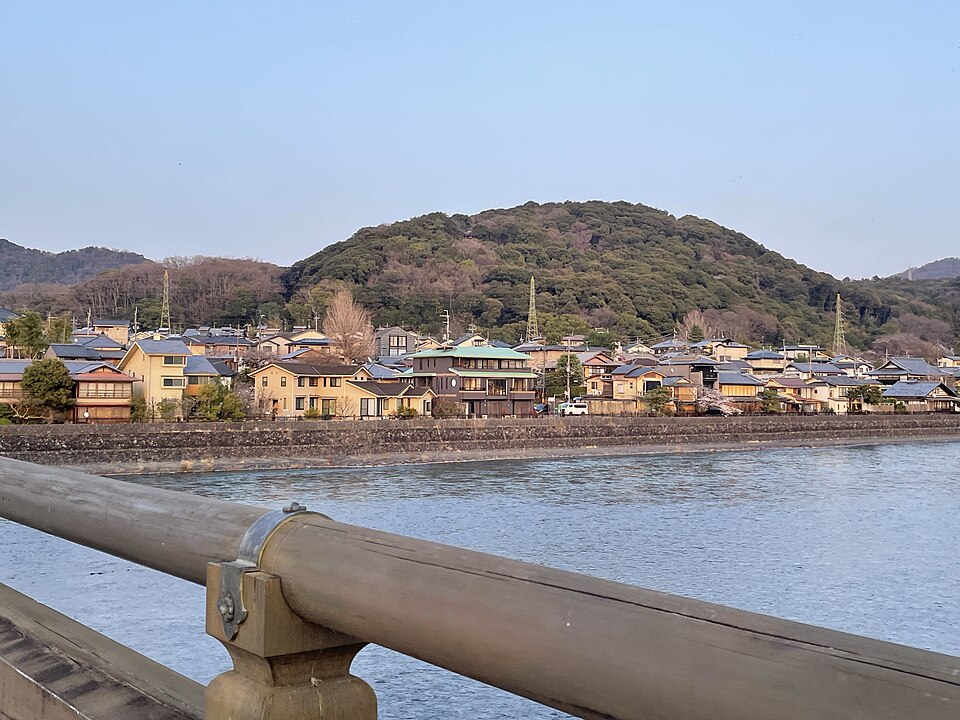 Photo: 御影守駒氏, via Wikimedia Commons (CC BY-SA 4.0). Source.

Where it is: Kyoto Prefecture, Uji City (34.892944, 135.806222)
Status: Officially confirmed. Uji is the explicit real-world setting of the series, and the city embraces the connection rather than treating it as unofficial fan tourism.
Uji Bridge is one of the oldest bridges in Japan, first built in the 7th century, and it’s also one of the most immediately recognizable backdrops in the anime — the Uji River crossing that shows up repeatedly as characters commute, talk, and think through their problems on the way to or from school and band practice. It’s a genuinely central piece of the town’s geography, not a side alley someone dug up for pilgrimage content.
Access: About 5–10 minutes on foot from either Keihan Uji Line’s Keihan Uji Station or JR Nara Line’s JR Uji Station. Both stations sit close enough to the bridge that you’ll likely cross it just walking between the station and the rest of central Uji.
Etiquette: This is a real, actively used road and pedestrian bridge with ordinary car and foot traffic — it is not a pedestrian-only plaza. Be careful not to stand in the roadway or block the sidewalk to line up a photo. Step to the side, let traffic and other pedestrians pass, and treat it the same way you’d treat any bridge in your own city that happens to be scenic.
S023 — Uji Shrine (宇治神社) Official
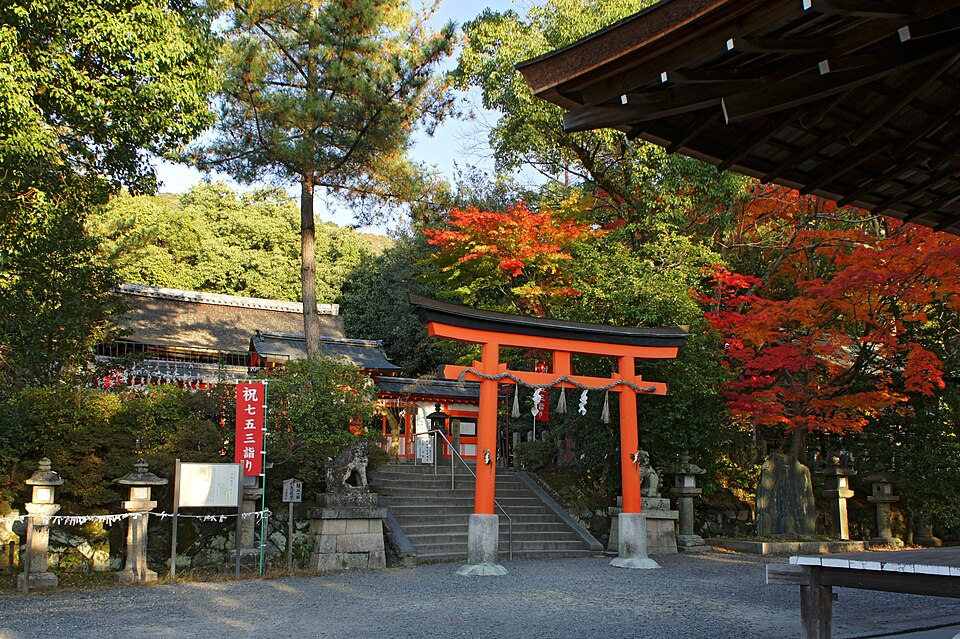 Photo: 663highland, via Wikimedia Commons (CC BY 2.5). Source.

Where it is: Kyoto Prefecture, Uji City, Ujiyamada 1 (34.891047, 135.8107)
Status: Officially confirmed as part of Uji’s real-world setting.
Uji Shrine is a modest, quiet shrine on the east bank of the Uji River, a short walk from the bridge. It doesn’t have the scale or the crowds of Byodo-in, which is part of what makes it worth including — it’s a good example of the kind of everyday, lived-in location the series uses for its town, rather than only its landmark buildings.
Access: About 9 minutes on foot from Keihan Uji Station, or roughly 15 minutes from JR Uji Station.
Etiquette: This is an active shrine with real worshippers coming to pray, not a photo backdrop first. Keep noise down on the grounds, especially near the main hall, and avoid anything disruptive — no shouting, no blocking the approach path for a group photo, and no treating the precinct as a casual hangout spot. Basic shrine manners apply: a small bow at the torii, quiet voices, and stepping aside for anyone there to actually worship.
S024 — Byodo-in Temple (平等院) Official
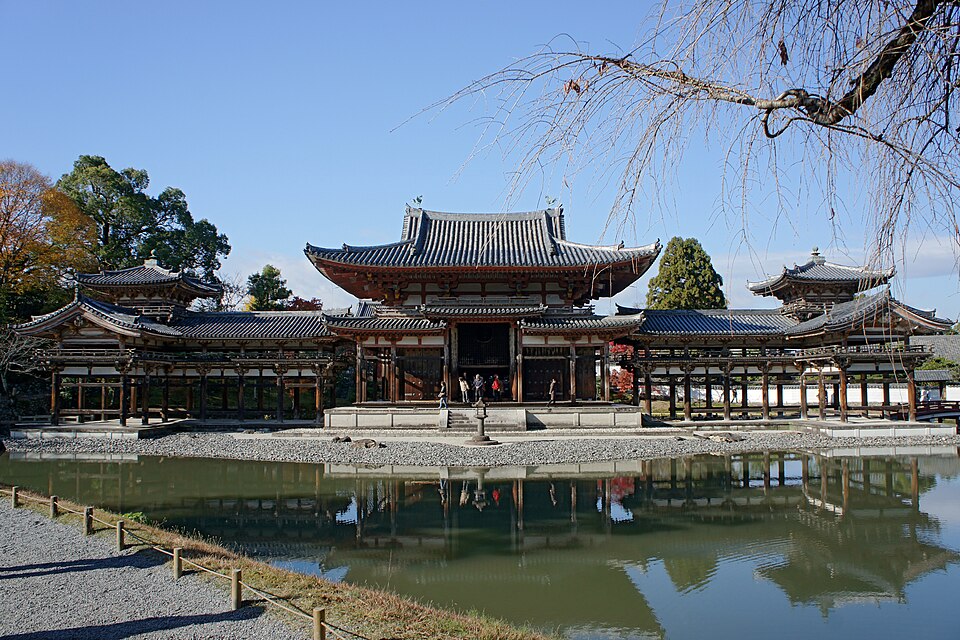 Photo: 663highland, via Wikimedia Commons (CC BY 2.5). Source.

Where it is: Kyoto Prefecture, Uji City, Uji Renge 116 (34.889292, 135.807692)
Status: Officially confirmed, and by far the most famous single landmark associated with the series and with Uji generally.
Byodo-in predates the anime by roughly a thousand years — it was built in 1052 — and its Phoenix Hall, reflected in Aji Pond, is one of the most photographed buildings in Japan regardless of anime tourism. This is the site that appears on the ¥10 coin, and it’s a UNESCO World Heritage Site in its own right. Sound! Euphonium uses Uji’s real geography including this landmark, but it’s worth being upfront that this is first and foremost a major cultural property, not a set built for the show.
Access: About 10 minutes on foot from JR Uji Station.
Etiquette — read this before you go:
- Admission is paid. This is a working temple and museum complex, not a public park you can wander into for free.
- Photography is banned inside the Phoenix Hall. You can photograph the building’s exterior and its reflection in the pond, but once you’re inside viewing the enshrined Amida Buddha statue, cameras and phones stay away.
- Tripods are not allowed on the grounds. If you’re hoping to recreate a specific anime shot with careful framing, plan to shoot handheld.
None of this is unusual for a UNESCO site of this age and importance — it’s the same standard you’d expect at any major temple with irreplaceable interior artwork. Treat it as a historic site you’re fortunate to be able to visit at all, and the anime connection as a bonus layer on top of that.
Suggested route
All three spots sit close enough together that you don’t need to plan a complicated day:
- Arrive at JR Uji Station or Keihan Uji Station
- Walk to Uji Bridge (S022) — cross it, don’t just photograph it from one side
- Continue to Uji Shrine (S023), a few minutes further on the east bank
- Backtrack toward Byodo-in (S024), allowing at least an hour if you want to see the temple’s small museum in addition to the grounds
- Save time afterward for Uji’s tea shops along the main approach street — this is one of the best places in Japan to have real matcha, and it has nothing to do with the anime
(Lodging and tour affiliate links will be added here once partner programs are active.)
FAQ
Is Uji really the setting for Sound! Euphonium? Yes — this isn’t a fan theory or a loose resemblance. Uji is the explicit, named real-world setting of the series, and Uji’s own city tourism board actively promotes the connection rather than staying neutral about it.
Do I need to pay to see Byodo-in, or just to go inside? Admission is required to enter the temple grounds themselves, not just to go inside a specific building. Budget for a ticket before you go rather than assuming you can view the grounds for free from outside.
Can I take photos inside the Phoenix Hall? No. Photography is banned inside the Phoenix Hall itself. You can photograph the building’s exterior, including the classic reflection shot in Aji Pond, without restriction.
Are tripods allowed anywhere at Byodo-in? No, tripods aren’t permitted on the grounds. If a tripod shot matters to you, you’ll need to find it elsewhere in Uji — Uji Bridge and the riverbank are more flexible in this respect, though you should still stay clear of traffic and other pedestrians.
How long do I need to see all three locations? Half a day is comfortable. All three are within about a 15-minute walk of each other and of both train stations, and Byodo-in is the only one that takes a meaningful amount of time on its own (allow at least an hour if you want to see the museum as well as the grounds).
Is this trip worth it if I’m not a Sound! Euphonium fan? Yes, and that’s part of the point. Uji is a legitimate, long-established tourist destination on its own merits — green tea culture, Byodo-in’s UNESCO status, and its role in The Tale of Genji — so an anime fan visiting for the pilgrimage angle and a traveler visiting for none of those reasons end up at the same well-run, worthwhile city either way.
Sources: Uji City’s official tourism promotion of its Sound! Euphonium connection, and publicly available location and access information for Uji Bridge, Uji Shrine, and Byodo-in Temple. Byodo-in’s admission fees and interior photography rules can change, so verify current details on the temple’s own information before traveling.